Laser Kidney Stone Surgery in Chembur, Mumbai
Kidney stones can cause severe pain, urinary discomfort and difficulty passing urine when they obstruct the urinary tract. While some small stones pass naturally, others may require a procedure to break or remove them.
Dr. Shyam Mohan, Consultant Urologist, Uro-Oncologist and Robotic Surgeon in Chembur, Mumbai, provides evaluation and management of kidney and ureteric stones, including endoscopic stone procedures.
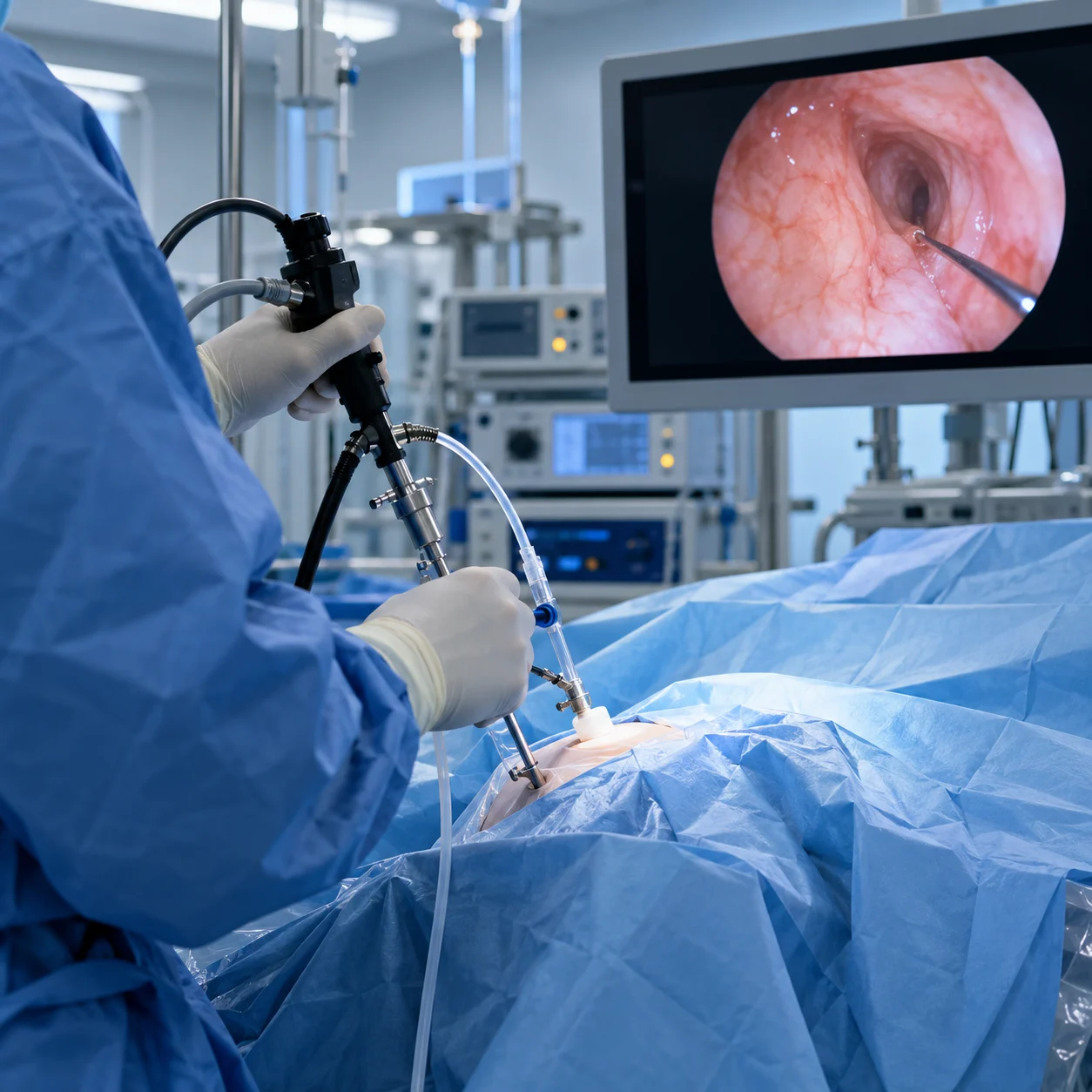
Laser kidney stone surgery is a minimally invasive approach in which a urologist uses an endoscope and laser energy to break selected urinary stones into smaller fragments. Depending on the location of the stone, procedures may include Retrograde Intrarenal Surgery (RIRS) or Ureteroscopic Laser Lithotripsy (URSL).
Treatment selection depends on stone size, location, hardness, associated obstruction, infection risk and kidney function.
Important Emergency Note:
Fever with a suspected obstructing kidney stone, inability to pass urine or severe uncontrolled pain requires urgent medical assessment.
What Is Laser Kidney Stone Surgery?
Laser kidney stone surgery is an endoscopic treatment used to fragment stones within the urinary tract.
During the procedure, a urologist passes a thin instrument through the urethra and bladder towards the ureter or kidney. A laser fibre is then used to break the stone into smaller pieces.
The fragments may be removed using specialised instruments or left to pass naturally through urine, depending on their size and the treatment technique.
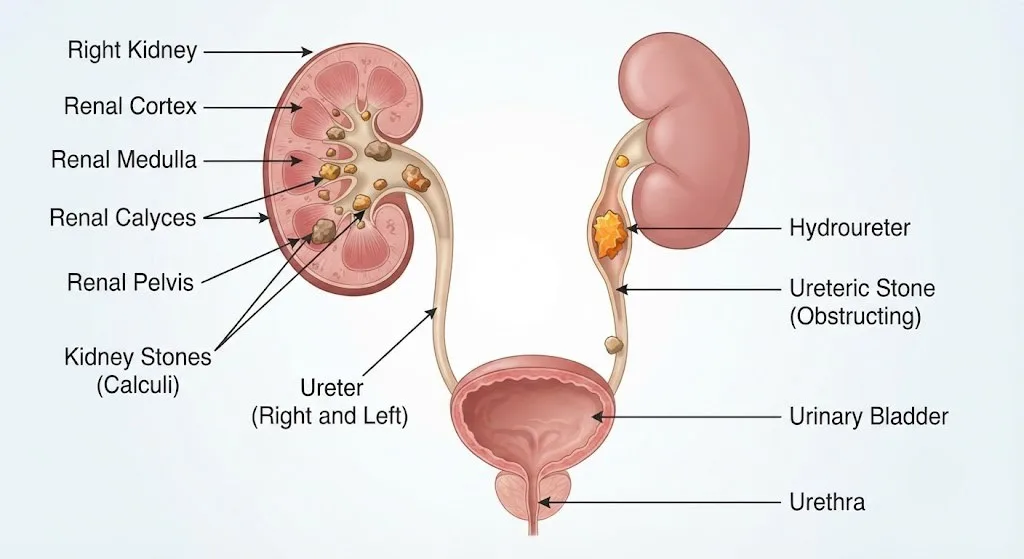
Two commonly used approaches are:
- URSL (Ureteroscopic Laser Lithotripsy): Used primarily for stones located in the ureter.
- RIRS (Retrograde Intrarenal Surgery): Uses a flexible endoscope to access selected stones within the kidney.
These procedures usually do not require an external surgical incision.
However, laser stone surgery is not appropriate for every stone. Some patients may require PCNL, shock wave lithotripsy, observation or another treatment approach.
When Is Laser Surgery Needed for Kidney Stones?
Not all kidney stones require surgical treatment.
Small stones may pass naturally with appropriate monitoring, pain management and medication when suitable.
Laser stone removal may be considered when:
- A stone is unlikely to pass naturally.
- The stone causes persistent or recurrent pain.
- Urine flow is obstructed.
- The stone increases in size.
- Conservative treatment has not been successful.
- There is a risk of kidney damage from persistent obstruction.
- A patient has a stone requiring active treatment based on imaging and clinical findings.
The decision to perform laser surgery depends on the patient's clinical condition rather than stone size alone.
Can a 5mm, 8mm or 10mm Kidney Stone Require Surgery?
- 5mm stone: Some 5mm stones, especially those in the lower ureter, may pass naturally. Observation may be appropriate when there are no complications.
- 8mm stone: An 8mm stone is less likely to pass spontaneously than a smaller stone. Treatment depends on its location, symptoms and degree of obstruction.
- 10mm stone: A 10mm stone often requires careful assessment for active treatment, although management still depends on location, anatomy and the patient's condition.
A CT scan or other appropriate imaging helps guide the treatment decision.
Symptoms That May Indicate a Kidney Stone
Kidney stones may cause different symptoms depending on whether they remain in the kidney or move into the ureter.
Common symptoms include:
- Sharp pain in the back or side
- Pain spreading towards the lower abdomen or groin
- Burning or discomfort while passing urine
- Blood in the urine
- Frequent urge to urinate
- Nausea or vomiting
- Difficulty passing urine
Some kidney stones cause no symptoms and are discovered during imaging for another condition.
When Is a Kidney Stone an Emergency?
Seek immediate medical care if you experience:
- Fever or chills with suspected kidney stone pain
- Inability to pass urine
- Severe pain that cannot be controlled
- Persistent vomiting or dehydration
- Signs of infection with urinary obstruction
An obstructed urinary system with infection may require urgent drainage using a ureteric stent or nephrostomy tube. Definitive stone removal is generally postponed until the infection has been appropriately treated.
Types of Laser Kidney Stone Surgery
The type of procedure is selected according to where the stone is located and how it can be accessed safely.
1. RIRS – Retrograde Intrarenal Surgery
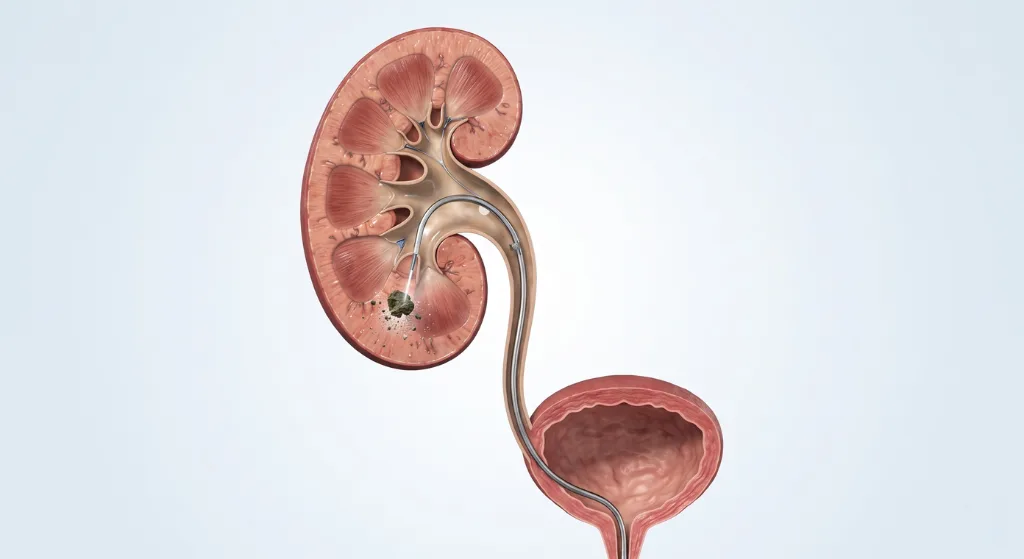
RIRS is an endoscopic procedure used to treat selected stones located inside the kidney. During RIRS, a flexible ureteroscope is passed through the urinary passage, bladder and ureter into the kidney. A laser fibre is used to fragment the stone, and some fragments may be retrieved using specialised instruments.
When May RIRS Be Considered?
- Selected kidney stones requiring active removal
- Certain stones located in different parts of the kidney
- Patients for whom an endoscopic approach is suitable
- Selected cases where other treatment approaches are less appropriate
RIRS may require more than one session for larger or complex stones. Explore RIRS Surgery in Chembur →
2. URSL – Ureteroscopic Laser Lithotripsy
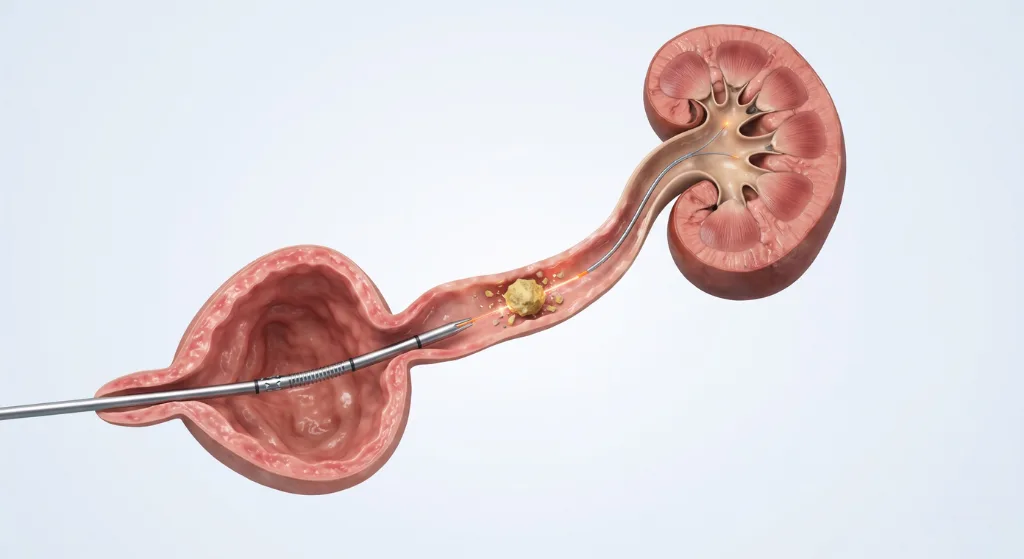
URSL is used primarily to treat stones located in the ureter, the tube connecting the kidney to the urinary bladder. A ureteroscope is passed through the urinary passage to locate the stone. Laser energy is then used to break the stone into smaller fragments, which may be removed or allowed to pass.
When May URSL Be Recommended?
- Ureteric stones unlikely to pass naturally
- Stones causing persistent pain or obstruction
- Selected stones that have not responded to conservative treatment
- Certain cases where shock wave treatment is unsuitable or unsuccessful
URSL is performed through the urinary tract and typically does not require an external incision.
3. Laser Lithotripsy
Laser lithotripsy refers to the technique of breaking stones using laser energy. Holmium and thulium fibre lasers are established technologies used during appropriate endoscopic stone procedures. The choice of laser system and surgical technique depends on the available equipment, the stone's characteristics and the surgeon's assessment.
Laser lithotripsy is a technique used within procedures such as URSL and RIRS rather than necessarily a separate operation.
How Is Laser Kidney Stone Surgery Performed?
The procedure generally involves the following stages:
Step 1: Preoperative Evaluation
The urologist reviews the patient's symptoms, imaging findings, medical history and kidney function. Recommended investigations may include Ultrasound KUB, Non-contrast CT KUB, Urine examination and culture, Kidney function blood tests, and other investigations based on medical history.
Urinary infections should be assessed and managed before planned stone surgery.
Step 2: Anaesthesia
Laser stone surgery is commonly performed under general anaesthesia, although other anaesthetic approaches may be appropriate in selected cases. The anaesthesia team determines the suitable method according to the procedure and patient's health.
Step 3: Endoscope Insertion
The urologist passes a ureteroscope through the urinary passage and bladder to access the ureter or kidney. The type of endoscope depends on whether the stone is in the ureter or kidney.
Step 4: Laser Stone Fragmentation
A laser fibre is positioned near the stone under direct endoscopic vision. Laser energy breaks the stone into smaller fragments. The surgeon may remove fragments using a retrieval basket or allow suitable small fragments to pass through urine.
Step 5: Stent Placement When Required
A temporary Double-J (DJ) stent may be inserted to support urine drainage and healing. However, stenting is not necessary after every uncomplicated ureteroscopic procedure. The decision depends on swelling, residual fragments, injury risk, infection and other operative findings.
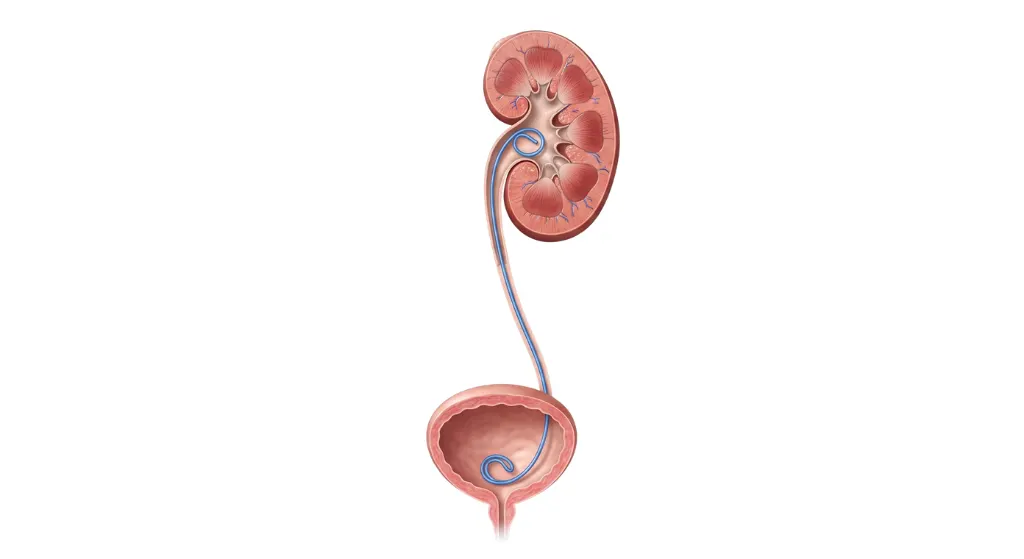
Step 6: Recovery and Follow-Up
After the procedure, the patient is monitored for pain, urine output, bleeding and other postoperative concerns. Discharge depends on the procedure, recovery from anaesthesia, medical condition and any complications. Follow-up may include imaging and DJ stent removal where applicable.
Benefits and Limitations of Laser Kidney Stone Surgery
Laser-assisted endoscopic surgery has several potential advantages for appropriately selected patients.
Potential Benefits
- Usually performed without an external skin incision
- Direct endoscopic visualisation of the stone
- Ability to fragment and retrieve selected stones
- May avoid a larger surgical approach
- Can be used for many ureteric and selected kidney stones
- May allow relatively early return to routine activities in uncomplicated cases
Important Limitations
Laser stone surgery does not guarantee complete stone clearance in one session.
Some stones may be difficult to access because of their location, hardness or the urinary tract anatomy.
Large stone burdens may require additional procedures, and certain stones are better treated using PCNL or another approach. A urologist should explain the expected benefits, risks and alternative treatments before surgery.
RIRS vs URSL vs PCNL – What Is the Difference?
| Procedure | Common use | Surgical approach |
|---|---|---|
| RIRS | Selected kidney stones | Flexible endoscope through urinary passage |
| URSL | Ureteric stones | Ureteroscope through urinary passage |
| PCNL | Large or complex kidney stones | Small access tract through the back |
| ESWL / SWL | Selected kidney or ureteric stones | External shock waves |
PCNL is generally recommended as a first-line surgical approach for kidney stones larger than 2cm when suitable. RIRS may be appropriate for selected stones, while URSL is commonly used for ureteric stones. The most appropriate procedure depends on the clinical assessment.
Is Laser Kidney Stone Surgery Painful?
Laser kidney stone procedures are commonly performed under anaesthesia, so patients generally do not experience the procedure itself.
After surgery, some discomfort may occur. Possible symptoms include:
- Mild burning during urination
- Temporary blood-tinged urine
- Urinary frequency or urgency
- Flank or lower abdominal discomfort
- DJ stent-related irritation, if a stent is present
These symptoms often improve during recovery, but their severity and duration vary. Severe pain, fever, inability to urinate or worsening symptoms require prompt medical attention.
What Are the Risks of Laser Kidney Stone Surgery?
Like any surgical procedure, laser stone surgery involves possible complications. These may include:
- Urinary tract infection
- Bleeding
- Injury to the ureter or urinary tract
- Residual stone fragments
- Temporary pain or urinary discomfort
- DJ stent-related symptoms
- Ureteric narrowing or stricture
- Anaesthesia-related complications
- Sepsis in uncommon but serious cases
Rarely, further procedures may be necessary. The likelihood of complications depends on the stone, medical conditions, infection status and procedure complexity. Before surgery, the treating urologist should discuss relevant risks and the possible need for additional treatment.
Recovery After Laser Kidney Stone Surgery
Recovery depends on the type of surgery, the stone's complexity and individual health.
- First 24–48 Hours: Patients may experience urinary burning, temporary blood in the urine or mild discomfort. Rest, prescribed medicines and appropriate fluid intake may be recommended.
- First Few Days: Some patients can resume light daily activities within a few days after uncomplicated treatment. However, a DJ stent may cause urinary urgency, increased frequency or discomfort until it is removed.
- Returning to Work: Return to work depends on the nature of the job, anaesthesia, procedure complexity and postoperative symptoms. Patients with physically demanding jobs may need additional recovery time.
- Follow-Up Appointment: Follow-up is important to assess stone clearance and determine whether further imaging or treatment is required. If a DJ stent was placed, the urologist will advise when it should be removed.
How Can Kidney Stones Be Prevented After Laser Surgery?
Laser surgery treats the existing stone but does not eliminate the possibility of future kidney stone formation. Measures that may help reduce recurrence include:
- Maintaining appropriate daily fluid intake
- Reducing excessive salt consumption
- Maintaining normal dietary calcium intake unless otherwise advised
- Avoiding excessive animal protein intake where relevant
- Following stone-specific dietary recommendations
- Managing conditions associated with stone formation
- Completing recommended metabolic testing if stones recur
Stone analysis can help identify the stone composition and support individualised prevention advice. Patients with recurrent kidney stones may require additional urine and blood tests to investigate metabolic risk factors.
Laser Kidney Stone Surgery Consultation in Chembur, Mumbai
Patients experiencing recurring kidney stone pain, ureteric obstruction or symptoms that have not improved with conservative treatment may require urological evaluation.
Dr. Shyam Mohan provides urology consultations at Synergy Health Clinic, Chembur, Mumbai. Patients can discuss their existing ultrasound or CT KUB findings, stone location, symptoms and available management options.
For your consultation, bring: Ultrasound or CT KUB reports, previous kidney stone treatment records, urine and blood test reports, details of current medicines, and information about any previous urinary infections.
After assessment, the doctor can explain whether observation, medication, RIRS, URSL, PCNL or another treatment is suitable.
