Kidney Stone Treatment in Chembur, Mumbai
Kidney stones can cause severe pain in the back or side, blood in the urine, nausea and difficulty passing urine. Some small stones pass naturally, while others may require medication or a procedure to remove them.
Kidney stone treatment in Chembur, Mumbai, involves evaluating the stone's size, location, symptoms and effect on kidney function. Depending on the diagnosis, treatment may include observation, medicines, ureteroscopy, laser stone removal, Retrograde Intrarenal Surgery (RIRS) or Percutaneous Nephrolithotomy (PCNL).
A urologist can assess your condition and explain which treatment options are appropriate for you.
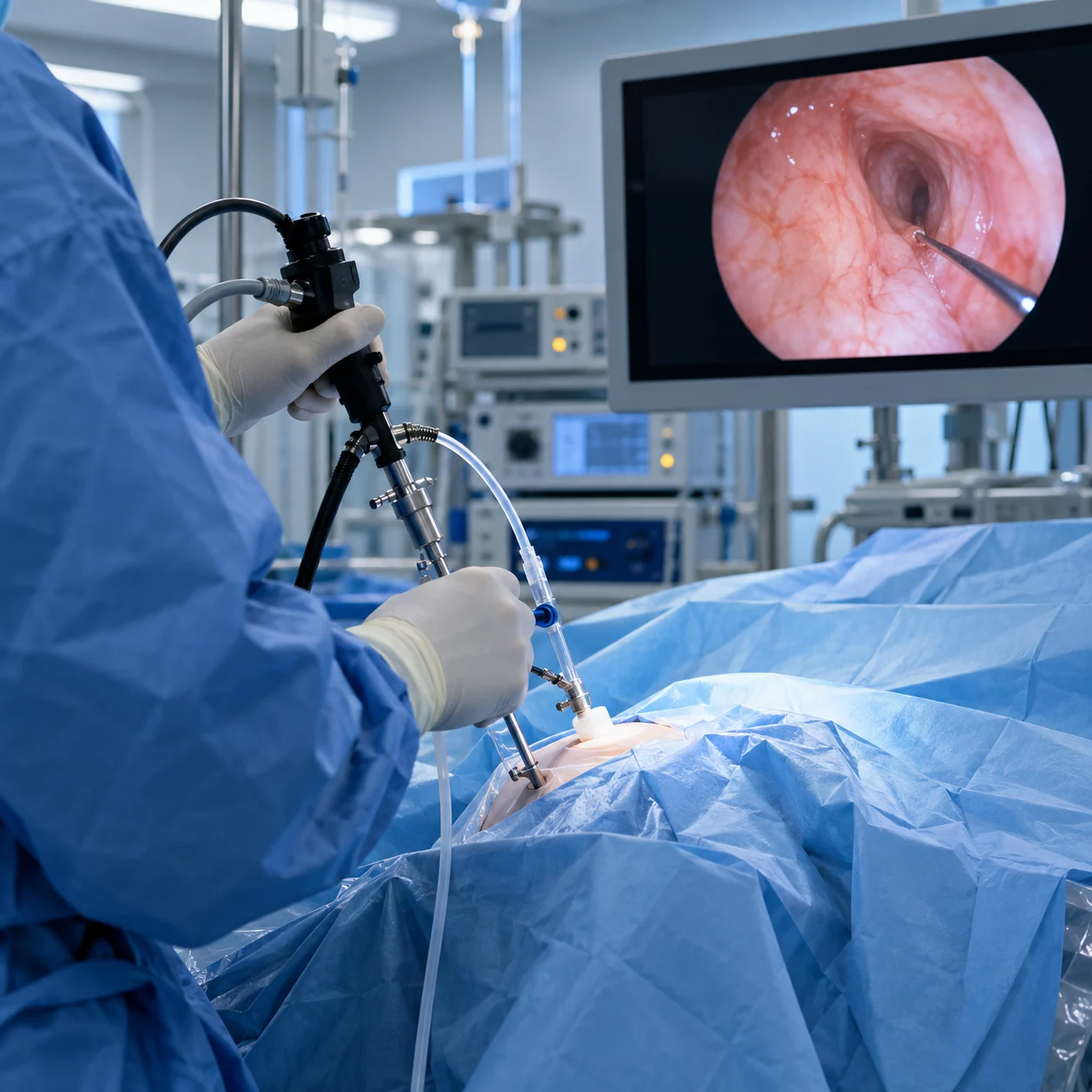
Emergency note:
Fever with suspected kidney stone obstruction, inability to pass urine or severe uncontrolled pain requires urgent medical assessment.
What Are Kidney Stones?
Kidney stones are hard deposits formed from minerals and salts in the urine. They develop when certain substances become concentrated and form crystals inside the kidneys.
Kidney stones can remain in the kidney or move into the ureter, the tube that carries urine from the kidney to the bladder. A stone that obstructs urine flow may cause intense pain and, in some situations, affect kidney function.
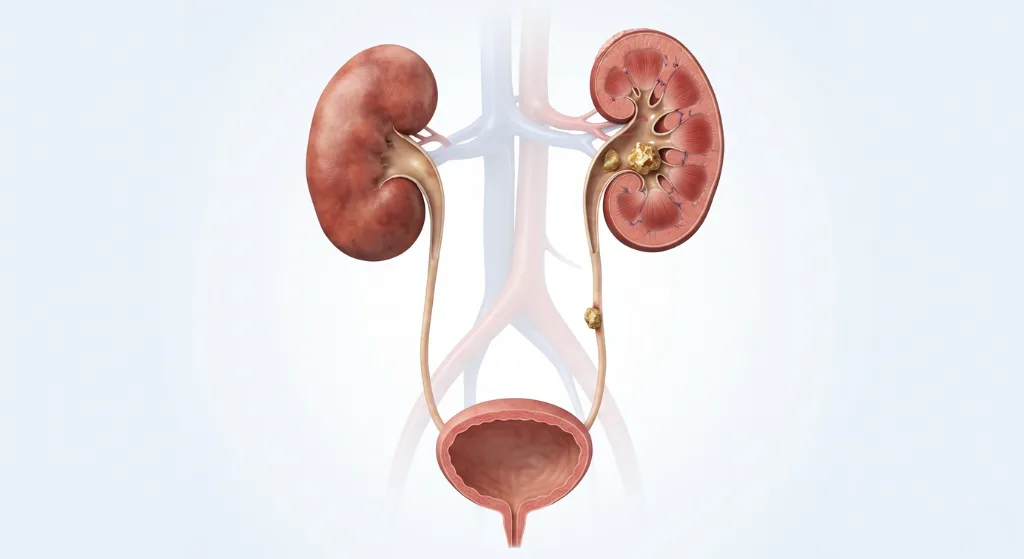
Common types include:
Calcium stones:
The most common type, frequently made of calcium oxalate.
Uric acid stones:
May form in people with persistently acidic urine.
Struvite stones:
Associated with certain urinary tract infections.
Cystine stones:
Less common and linked to an inherited condition called cystinuria.
Not all kidney stones require surgery. Treatment depends on the stone and the patient's overall health.
Symptoms of Kidney Stones
Kidney stone symptoms vary according to the stone's size, location and whether it blocks urine flow.
Common symptoms include:
- Sharp pain in the back, side or lower abdomen
- Pain spreading towards the groin
- Burning or discomfort while passing urine
- Blood in the urine, which may appear pink, red or brown
- Frequent urge to urinate
- Nausea or vomiting
- Difficulty passing urine
Some kidney stones cause no noticeable symptoms and are discovered during an ultrasound or another imaging test.
When Is a Kidney Stone an Emergency?
Seek urgent medical care if you experience:
- Fever or chills with kidney stone symptoms
- Severe pain that does not improve
- Persistent vomiting or inability to keep fluids down
- Very little urine or inability to pass urine
- Symptoms of infection along with a suspected urinary blockage
A blocked kidney with infection can become a serious medical emergency and may require urgent drainage before definitive stone treatment.
What Causes Kidney Stones?
Kidney stones may form when urine contains high concentrations of certain minerals and salts.
Factors that can increase the risk include:
- Insufficient fluid intake
- Excessive sodium consumption
- Certain dietary patterns, including excess animal protein in susceptible individuals
- Family or personal history of kidney stones
- Certain metabolic or medical conditions
- Recurrent urinary infections associated with infection stones
- Obesity and some medications
People who have previously developed kidney stones may be at increased risk of recurrence.
How Are Kidney Stones Diagnosed?
A urologist may recommend investigations to identify the size, position and possible complications of a kidney stone.
1. Ultrasound KUB
An ultrasound of the kidneys, ureters and bladder can help detect certain stones and identify swelling of the kidney caused by urinary obstruction.
2. Non-Contrast CT KUB
A CT KUB scan is commonly used to evaluate suspected urinary stones, particularly when more detail is needed about their size and location.
3. Urine Examination
Urine testing can identify blood, signs of infection and other abnormalities.
4. Blood Tests
Blood tests may assess kidney function and check for factors contributing to stone formation.
5. Stone Analysis
If a stone is passed or removed, laboratory analysis may help identify its composition and guide prevention.
The choice of investigation depends on symptoms, clinical findings, pregnancy status and other individual considerations.
Kidney Stone Treatment Options in Chembur, Mumbai
There are several approaches to treating kidney stones. The most appropriate option depends on stone size, location, composition, symptoms, obstruction, infection risk and the patient's medical history.
1. Medicines and Observation for Small Kidney Stones
Some small stones, particularly those in the ureter, may pass naturally without surgery.
Treatment may involve pain management, appropriate fluid intake, follow-up imaging and, in selected patients, medication to help the stone pass.
Not every stone will pass naturally. Observation is generally unsuitable when there is infection with obstruction, uncontrolled pain or worsening kidney function.
2. Laser Kidney Stone Surgery (Ureteroscopy / URSL)
Ureteroscopy is a procedure in which a thin instrument is passed through the urinary passage and bladder into the ureter.
The urologist may remove the stone directly or use a laser to break it into smaller pieces.
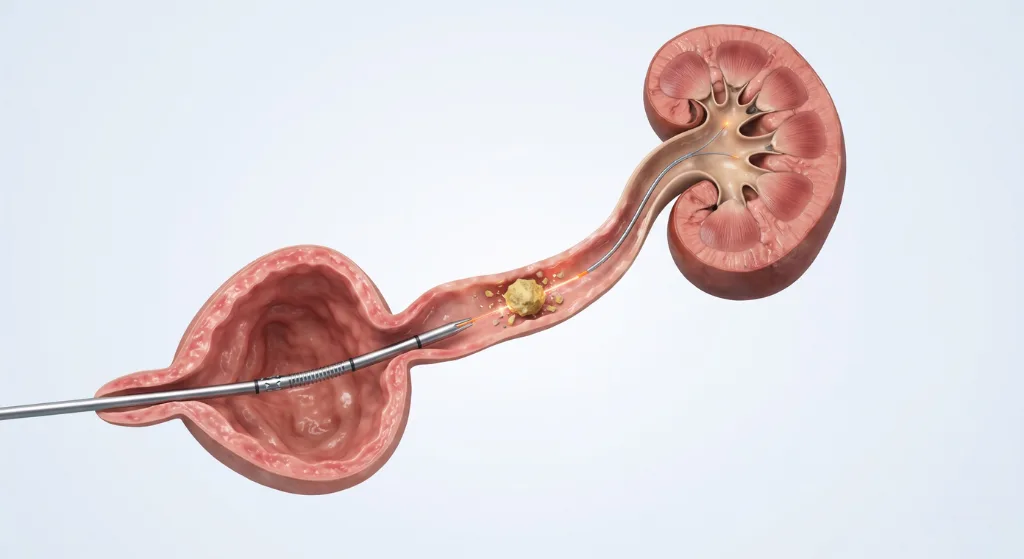
It is commonly considered for selected ureteric stones and does not usually require an external surgical incision.
3. RIRS — Retrograde Intrarenal Surgery
RIRS is an endoscopic procedure used to treat selected stones inside the kidney.
A flexible ureteroscope is passed through the urinary tract into the kidney. Laser energy may then be used to fragment the stone.
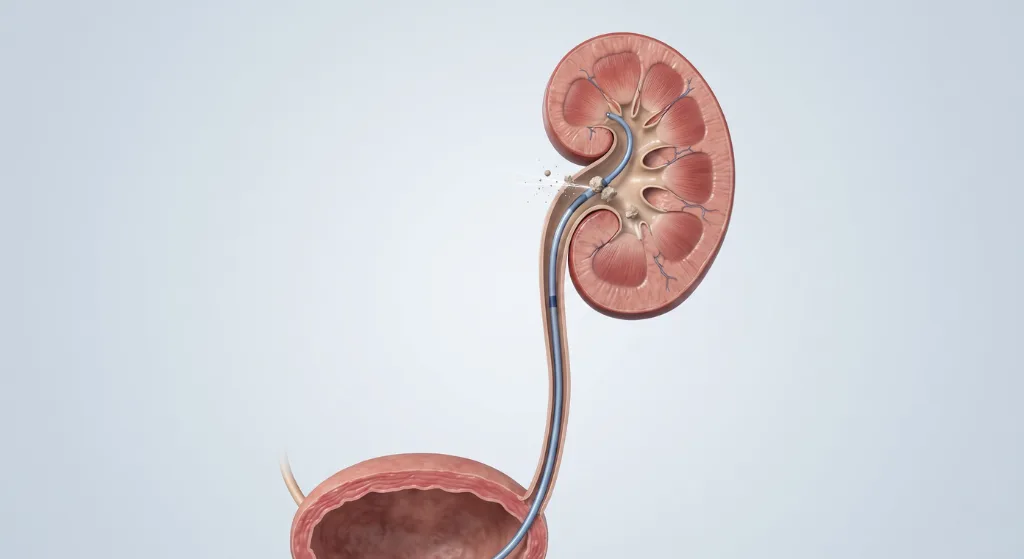
RIRS may be considered for certain kidney stones depending on their size, location and other clinical factors. Larger or complex stones may require an alternative procedure or more than one treatment session.
4. PCNL — Percutaneous Nephrolithotomy
PCNL is generally considered for large or complex kidney stones, particularly stones measuring more than 2 cm.
The procedure involves creating a small access tract through the back to reach the kidney and remove or fragment the stone.
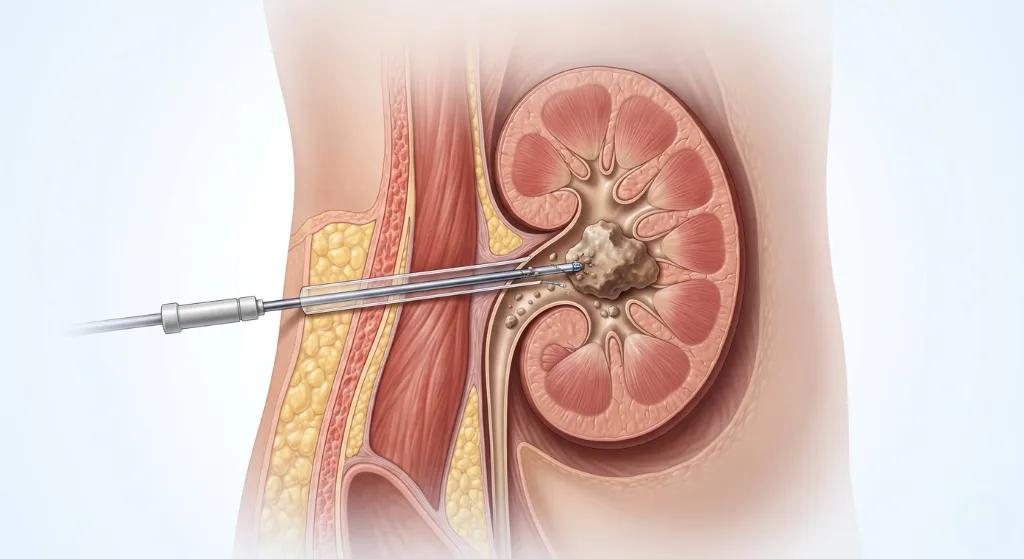
PCNL can be effective for larger stone burdens but also carries potential risks, including bleeding and infection. It requires careful preoperative assessment.
5. Shock Wave Lithotripsy (SWL / ESWL)
Shock wave lithotripsy uses externally generated shock waves to break selected urinary stones into smaller fragments that may pass through the urine.
Suitability depends on factors such as the stone's size, location, density and the patient's anatomy.
SWL may require more than one session and is not appropriate for every type of stone.
The treatment descriptions above cover recognised options, not a claim that all procedures or equipment are available at a particular Chembur facility. Confirm actual services before publishing. Clinical approach: European Association of Urology, 2026 Urolithiasis Guidelines.
RIRS vs PCNL vs URS — Which Kidney Stone Surgery Is Suitable?
| Procedure | Common use | Approach |
|---|---|---|
| URS / URSL | Selected stones in the ureter | Endoscope through urinary passage |
| RIRS | Selected stones inside the kidney | Flexible endoscope through urinary passage |
| PCNL | Large or complex kidney stones | Small access tract through the back |
| SWL / ESWL | Selected kidney or ureteric stones | External shock waves |
No single procedure is appropriate for every patient. The urologist will consider imaging findings, stone characteristics, expected benefits, possible complications and individual preferences before recommending treatment.
What to Expect Before and After Kidney Stone Surgery
Before treatment
The assessment may include imaging, blood tests, urine examination and an anaesthesia review. Any urinary infection may need treatment before a planned procedure.
During treatment
The surgical technique and type of anaesthesia depend on the selected procedure. Some patients may require a temporary ureteric stent to help urine drain.
After treatment
Mild discomfort, temporary burning during urination or blood-tinged urine may occur after certain procedures. Recovery time depends on the procedure, stone complexity and individual health.
Follow-up care
Follow-up may include stent removal, repeat imaging, stone analysis and advice to reduce the chance of further stone formation.
Patients should follow their treating team's instructions and report fever, severe worsening pain or difficulty passing urine promptly.
Can Kidney Stones Be Prevented?
Although not all kidney stones are preventable, certain measures can reduce the likelihood of recurrence.
- Drink sufficient fluids to maintain an appropriate daily urine volume, unless fluid restriction has been advised.
- Reduce excessive dietary salt.
- Maintain a balanced diet with normal dietary calcium rather than unnecessarily restricting calcium.
- Avoid excessive intake of animal protein where relevant.
- Follow stone-specific dietary advice if previous stone analysis identifies a particular stone type.
- Complete recommended metabolic investigations and follow-up if stones recur.
Patients with recurrent stones may benefit from a more detailed metabolic evaluation and an individualised prevention plan.
Kidney Stone Treatment Consultation in Chembur, Mumbai
If you are experiencing recurring flank pain, urinary symptoms or have been diagnosed with a kidney or ureteric stone, a urology consultation can help determine whether observation, medical treatment or stone removal is appropriate.
Patients seeking kidney stone treatment in Chembur, Mumbai, can discuss their existing ultrasound or CT KUB reports, symptoms, previous stone episodes and available treatment options during a consultation.
Bring to your consultation: Previous imaging reports, urine and blood test results, details of current medicines and records of any previous kidney stone treatment.
