Urethral Stricture Treatment in Mumbai
A urethral stricture is a narrowing of the tube that carries urine out of the body. It can make urination slow or difficult. Treatment depends on the narrowing’s location, length, severity and any previous procedures. Options may include monitoring, dilation, internal urethrotomy or reconstructive surgery called urethroplasty.
Dr. Shyam Mohan is a Consultant Urologist, Uro-Oncologist & Robotic Surgeon in Mumbai. A urological assessment can help identify the cause of urinary symptoms and determine whether treatment for a urethral stricture is appropriate.
Consultation information: View clinic details and appointment availability.

Unable to pass urine? Seek urgent medical care, especially if you have lower abdominal pain or swelling. Do not wait for a routine appointment.
What Is a Urethral Stricture?
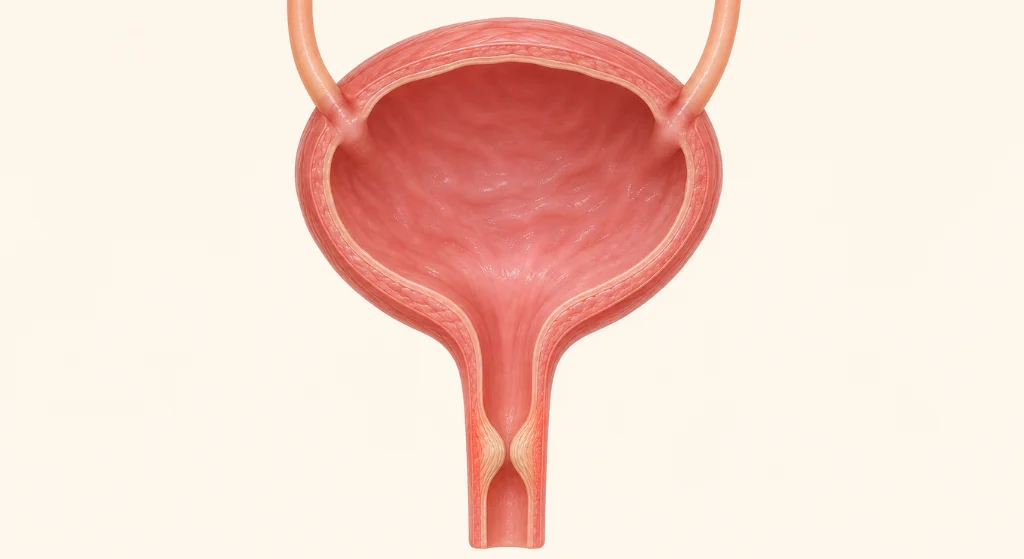
The urethra is the passage through which urine leaves the bladder. Scar tissue can narrow this passage and restrict urine flow. This is called a urethral stricture.
Urethral strictures are more common in men, although women can also develop them. This page mainly discusses adult male urethral stricture disease. Assessment and treatment for women may differ.
A urethral stricture is different from a ureteric obstruction. The ureters carry urine from the kidneys to the bladder; the urethra carries it from the bladder out of the body.
What Symptoms Can a Urethral Stricture Cause?

Possible symptoms include:
- A weak, slow or spraying urine stream
- Straining or taking longer to pass urine
- A feeling that the bladder has not emptied
- Dribbling after urination
- Frequent or urgent urination
- Pain or burning during urination
- Repeated urinary tract infections
These symptoms can also occur with prostate enlargement, infection or bladder problems. Symptoms alone cannot confirm a stricture.
What Causes Urethral Narrowing?
Scarring may develop after an injury, catheter-related trauma, urinary tract instrumentation or previous surgery. Other causes include urethral inflammation, certain infections and lichen sclerosus, a condition that can affect genital skin and the urethra.
Previous hypospadias repair or radiation treatment may also be relevant. Sometimes no clear cause is identified. Tell your urologist about previous urinary procedures, even if they happened years ago.
How Is a Urethral Stricture Diagnosed?

Assessment starts with your symptoms, medical history and examination. Tests are selected according to the clinical findings.
| Test | What it helps assess |
|---|---|
| Urine examination and, when indicated, culture | Infection and other urine abnormalities |
| Uroflowmetry | The speed and pattern of urine flow |
| Post-void residual ultrasound | Urine remaining in the bladder after urination |
| Retrograde urethrogram | The location and length of narrowing using contrast X-rays |
| Cystoscopy | The inside of the urethra using a thin viewing instrument |
Additional imaging may be needed in complex cases. Not everyone needs every test.
What Are the Treatment Options?
The treatment plan considers the stricture’s anatomy, previous treatment, symptoms, general health and patient preferences.
Monitoring
Some incidentally detected narrowings that cause no symptoms or significant obstruction can be monitored. Follow-up is important to identify changes.
Urethral Dilation
Dilation widens the narrowed segment using suitable instruments or a balloon. It may be considered for selected strictures, but the narrowing can return.
Direct Vision Internal Urethrotomy (DVIU)
DVIU uses an instrument passed through the urethra to make an incision in the scarred segment. It may suit a first-time, single, short, non-obliterative bulbar stricture—generally less than 2 cm. The bulbar urethra lies beneath the scrotum.
Longer, penile or repeatedly recurring strictures often need a different approach. Repeated dilation or DVIU should not automatically continue when urethroplasty is a viable option.
Urethroplasty
Urethroplasty repairs or reconstructs the narrowed urethra. Depending on the anatomy, surgery may remove a short scarred segment and reconnect the healthy ends, or widen the passage using a tissue graft, often from the inner cheek.
The appropriate repair depends on the location and extent of scarring. The surgical team should explain the proposed technique, alternatives, catheter requirements and recovery before treatment.
Temporary Urinary Drainage
If urine cannot drain adequately, urgent bladder drainage may be necessary. In some situations, a suprapubic catheter is placed through the lower abdomen into the bladder while further treatment is planned.
Can Medicines Cure a Urethral Stricture?
Medicines generally do not remove established scar tissue. Antibiotics may treat a confirmed associated infection, but they do not correct the narrowing itself. Treatment of an underlying inflammatory condition may also be needed.
Do not attempt self-dilation unless it has been specifically prescribed and taught by your treating team.
Recovery After Urethral Stricture Treatment

Recovery differs between endoscopic treatment and urethroplasty. A catheter may be needed while the area heals. Following uncomplicated DVIU, catheter use is generally shorter; after urethroplasty it commonly lasts around two to three weeks, with individual variation.
The team may arrange imaging before removing a catheter after reconstruction. Do not remove or adjust it yourself. Follow instructions about catheter hygiene, medicines, wound care and follow-up.
Return to work, exercise, cycling and sexual activity should follow procedure-specific advice. If cheek tissue is used, temporary mouth discomfort and changes in eating comfort can occur.
What Risks Should Be Discussed?
Possible risks include bleeding, infection, recurrence and the need for additional treatment. After reconstruction, some patients experience urine dribbling, altered erections or ejaculation, or discomfort at the graft site. Urine leakage from the repair is another possible complication.
The likelihood of these problems varies with the operation, previous treatment and individual health. Discuss the risks relevant to your planned procedure with the surgeon.
After treatment, seek prompt medical advice for fever, worsening pain, heavy bleeding or a catheter that stops draining.
Can the Stricture Return After Treatment?
Yes. Recurrence can occur after treatment, including surgery. A gradually weakening stream, renewed straining or difficulty emptying the bladder should be reassessed.
Follow-up may include symptom review, urine-flow testing and other investigations when needed. Attend follow-up even when urination feels better, as some recurrent narrowings cause few symptoms initially.
Urethral Stricture Treatment Cost in Mumbai

The cost depends on the tests required, procedure, hospital, anaesthesia, length of stay and follow-up needs. Recurrent or complex strictures may require more extensive planning.
An individual estimate should be provided after assessment. Ask what it includes, such as catheter care, medicines and follow-up investigations. Insurance coverage depends on the policy and hospital arrangements.
Consultation with Dr. Shyam Mohan in Mumbai
For assessment, bring previous urine reports, scans, urethrogram images and operation notes, particularly if you have had dilation, DVIU or urethroplasty before.
Dr. Shyam Mohan
Consultant Urologist, Uro-Oncologist & Robotic Surgeon
Frequently Asked Questions
This information is for general education and does not replace an individual medical consultation.
Medical references
- EAU Guidelines on Urethral Strictures — Diagnostic Evaluation: https://uroweb.org/guidelines/urethral-strictures/chapter/diagnostic-evaluation
- EAU — Definition, Epidemiology, Aetiology and Prevention: https://uroweb.org/guidelines/urethral-strictures/chapter/definition-epidemiology-aetiology-and-prevention
- EAU — Disease Management in Males: https://uroweb.org/guidelines/urethral-strictures/chapter/disease-management-in-males
- Newcastle Hospitals NHS Foundation Trust — Urethroplasty: https://www.newcastle-hospitals.nhs.uk/services/urology/urology-reconstruction-and-continence/urethroplasty-buccal-patch-or-anastomotic/
- EAU — Perioperative Care of Urethral Surgery: https://uroweb.org/guidelines/urethral-strictures/chapter/perioperative-care-of-urethral-surgery
- BAUS — Bulbar Urethroplasty patient leaflet: https://www.baus.org.uk/_userfiles/pages/files/Patients/Leaflets/Bulbar%20urethroplasty.pdf
- EAU — Follow-up: https://uroweb.org/guidelines/urethral-strictures/chapter/followup