UTI Treatment in Mumbai
Urinary Tract Infection Diagnosis, Treatment and Recurrent UTI Care
Dr. Shyam Mohan
Consultant Urologist, Uro-Oncologist & Robotic Surgeon
MBBS, MS (General Surgery), MCh (Urology) | Fellowship in Advanced Robotic Uro-Oncology
A urinary tract infection (UTI) can cause burning during urination, frequent urges to pass urine, lower abdominal discomfort and changes in urinary habits. While many bladder infections respond to appropriate treatment, persistent or repeated infections may require further evaluation to identify an underlying cause.
If you are looking for UTI treatment in Mumbai, Dr. Shyam Mohan provides consultation for urinary tract infections, bladder infections and recurrent urinary symptoms at his clinic in Chembur, Mumbai.
The approach to treatment depends on your symptoms, medical history, examination findings and relevant investigations. The aim is to identify the infection, choose suitable treatment and assess any factors contributing to repeated episodes.
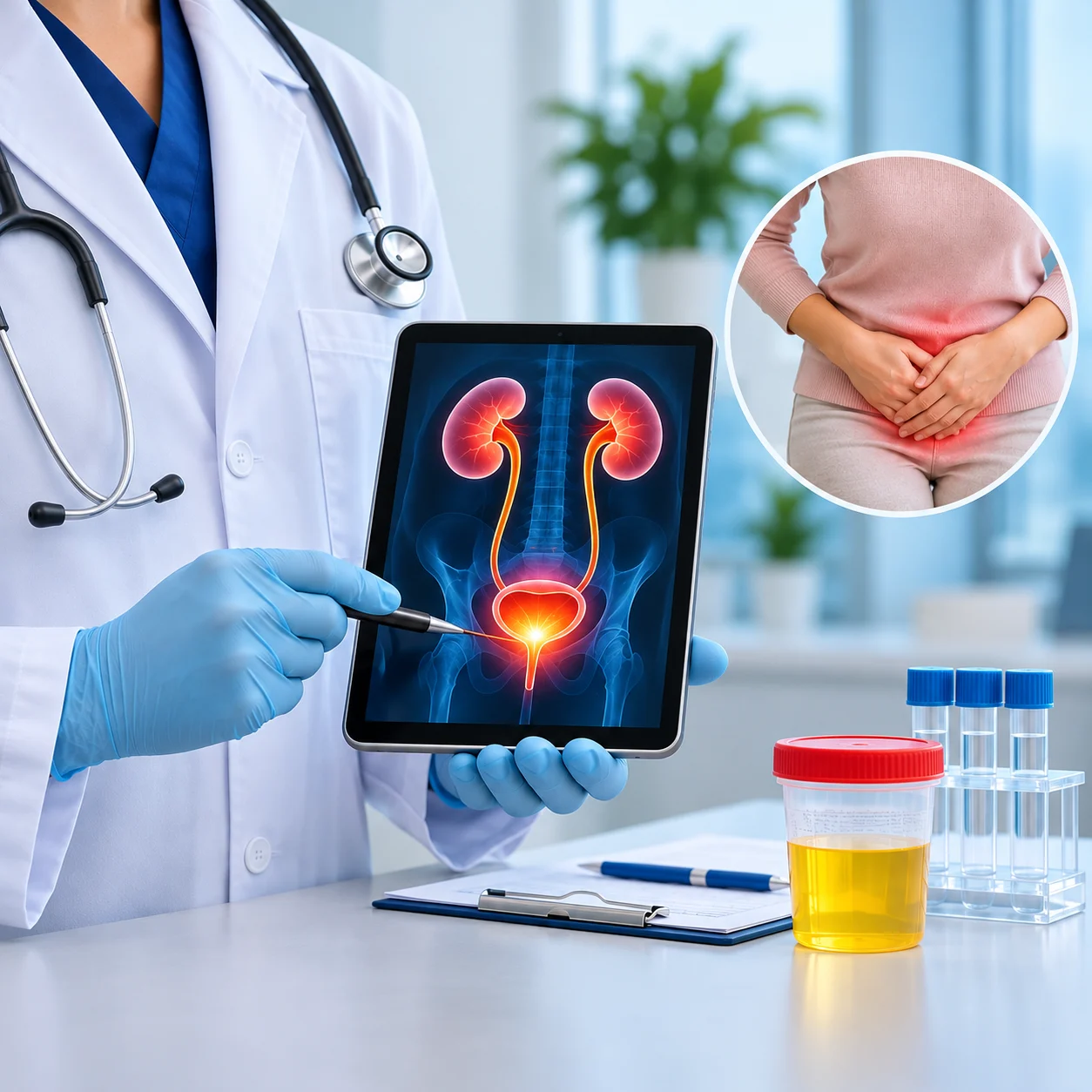
Emergency note:
A urinary tract infection accompanied by an obstructed kidney, severe systemic illness or suspected sepsis requires emergency assessment. Do not delay emergency care while waiting for a routine clinic appointment.
What Is a Urinary Tract Infection (UTI)?
A urinary tract infection occurs when microorganisms, most commonly bacteria, cause an infection in part of the urinary system.
The urinary tract includes the kidneys, ureters, bladder and urethra. An infection can affect one or more of these structures.
Most bacterial UTIs occur when bacteria enter the urinary tract through the urethra. Escherichia coli (E. coli), a bacterium commonly found in the intestine, is a frequent cause of bladder infections.
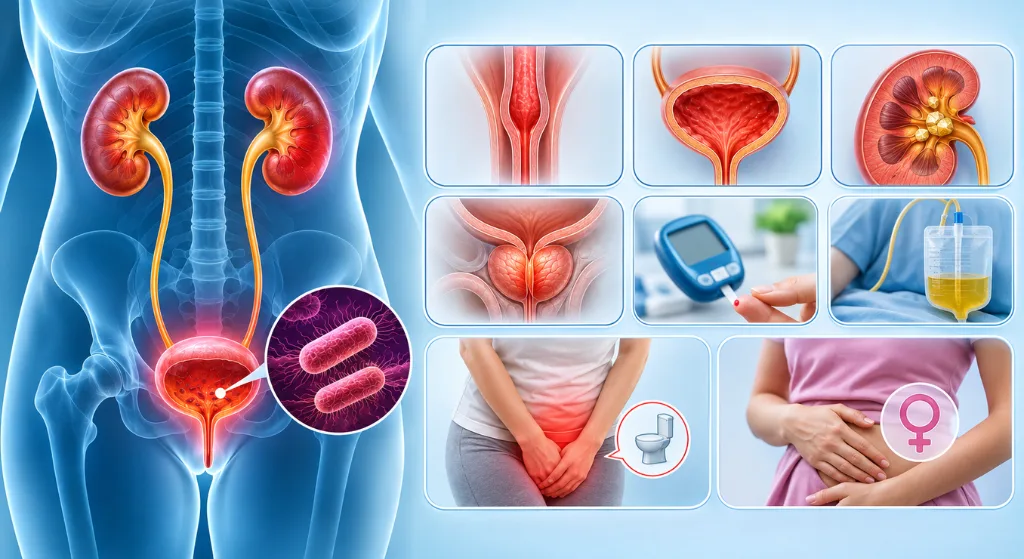
Depending on the location of the infection, a UTI may involve:
Urethritis:
Inflammation or infection of the urethra, which may also be caused by sexually transmitted infections.
Cystitis:
Infection or inflammation of the urinary bladder.
Pyelonephritis:
Infection involving one or both kidneys.
Prostatitis:
Inflammation or infection of the prostate gland in men.
A bladder infection may produce urinary symptoms without fever. A kidney infection or other systemic urinary infection can cause fever, chills, flank pain and general illness and may need urgent medical care.
Common Symptoms of a Urinary Tract Infection
UTI symptoms vary depending on the part of the urinary tract affected and the severity of the infection.
Common symptoms include:
- Burning urination: Pain or a stinging sensation while passing urine.
- Frequent urination: Needing to pass urine more often than usual.
- Urinary urgency: A sudden, strong urge to urinate, sometimes with only a small amount of urine passed.
- Lower abdominal discomfort: Pressure or discomfort around the bladder.
- Cloudy urine: Urine that appears unusually cloudy.
- Blood in urine: Pink, red or brown urine, which requires medical assessment.
- Changes in urinary habits: New or persistent discomfort or difficulty while passing urine.
Fever, shaking chills, nausea, vomiting or pain in the back or side may suggest an infection involving the kidneys or a more serious illness.
Not every urinary symptom is caused by a UTI. Kidney stones, prostate enlargement, bladder conditions, sexually transmitted infections and other problems can produce similar symptoms. A clinical assessment helps distinguish between these causes.
What Causes Urinary Tract Infections?
UTIs commonly develop when bacteria enter the urinary tract and multiply.
Several factors may increase the likelihood of infection or make treatment more challenging.
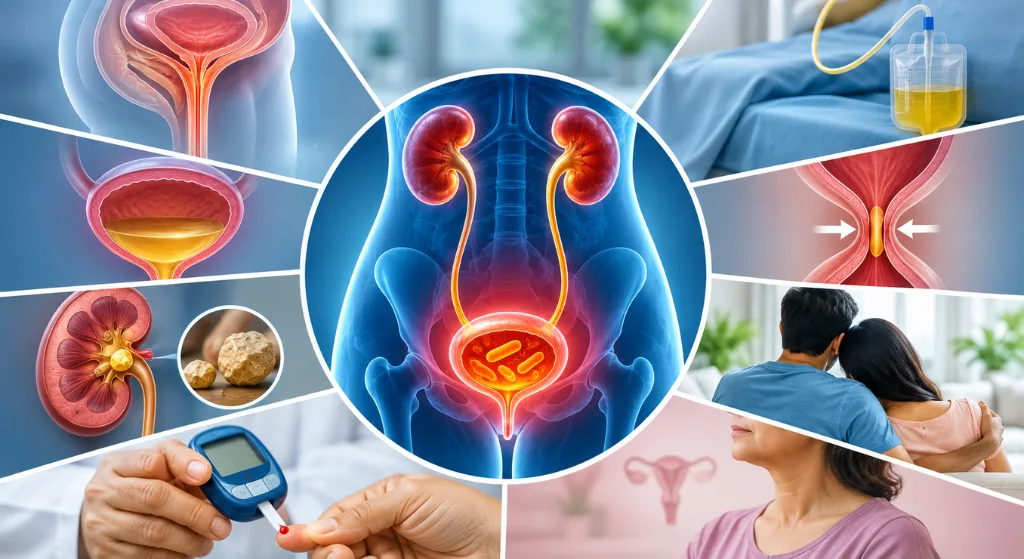
1. Female Urinary Anatomy
Women are more likely to develop bladder infections partly because the urethra is shorter and bacteria can reach the bladder more easily.
2. Incomplete Bladder Emptying
When urine remains in the bladder after urination, bacteria may have more opportunity to multiply. This can happen with prostate enlargement, bladder dysfunction or other urinary conditions.
3. Kidney or Bladder Stones
Urinary stones may interfere with urine drainage and can contribute to repeated infections.
4. Diabetes
Diabetes, particularly when blood glucose is poorly controlled, can increase susceptibility to certain infections.
5. Urinary Catheters
A catheter can provide a route for microorganisms to enter the urinary tract, especially when used for prolonged periods.
6. Urinary Tract Abnormalities
Structural narrowing, obstruction or functional abnormalities affecting urine flow may contribute to infection.
7. Sexual Activity and Hormonal Changes
Sexual activity can be associated with bladder infections in some individuals. After menopause, changes in vaginal and urinary tissues may also affect UTI risk.
Identifying relevant contributing factors is particularly important when infections occur repeatedly.
Types of Urinary Tract Infections
Lower Urinary Tract Infection
A lower UTI usually affects the bladder and may involve the urethra.
Common symptoms include burning urination, urinary urgency, frequent urination and discomfort in the lower abdomen.
An isolated bladder infection can often be managed without hospital admission, depending on the patient's clinical condition.
Kidney Infection (Pyelonephritis)
A kidney infection usually requires more urgent assessment.
Possible symptoms include fever, chills, pain in the back or side, nausea and vomiting. Some patients may also experience symptoms of a bladder infection.
Treatment depends on the severity of the illness and may require hospital care or intravenous antibiotics.
Recurrent Urinary Tract Infection
Recurrent UTI generally means:
- Two or more symptomatic infections within six months; or
- Three or more symptomatic infections within twelve months.
Repeated infections may occur due to reinfection, resistant organisms or contributing urinary tract conditions.
A urologist may recommend additional evaluation based on the patient's history, urine culture findings and associated symptoms.
How Is a UTI Diagnosed?
Diagnosis begins with understanding the symptoms and checking for features that suggest a bladder infection, kidney infection or another urinary condition.
Dr. Shyam Mohan may recommend investigations according to the clinical findings.

1. Medical History and Examination
The consultation may include questions about:
- When the urinary symptoms started
- Previous episodes of urinary infection
- Fever, flank pain or blood in urine
- Recent antibiotic treatment
- Diabetes, kidney stones or prostate problems
- Pregnancy, where applicable
- Current medication and relevant medical conditions
The examination and further testing depend on the patient's symptoms and risk factors.
2. Urine Routine and Microscopy
A urine examination can help identify white blood cells, red blood cells and other findings associated with urinary inflammation or infection.
Urine results are interpreted alongside symptoms, rather than used as the only basis for diagnosis.
3. Urine Culture and Antibiotic Sensitivity
A urine culture can identify bacteria causing an infection and help determine which antibiotics may be effective.
Urine culture is particularly important in recurrent infections, suspected kidney infections, infections in men, pregnancy and cases where initial treatment has not worked.
4. Ultrasound of the Kidneys and Bladder
Ultrasound may be recommended when there is concern about stones, obstruction, urinary retention or other structural problems.
It is not necessary for every routine bladder infection.
5. Additional Investigations
Selected patients may require blood tests, kidney function assessment, CT imaging or assessment of bladder emptying.
Cystoscopy is not routinely needed for uncomplicated or recurrent UTIs but may be considered when specific findings raise concern about an underlying bladder or urinary tract condition.
Not every patient requires every investigation. Testing should be guided by symptoms, previous results and clinical assessment.
UTI Treatment in Mumbai – Available Treatment Approaches
The treatment of a urinary tract infection depends on where the infection is located, how severe it is and whether other medical or urinary conditions are present.
1. Antibiotic Treatment
Antibiotics are commonly used to treat bacterial urinary tract infections.
The choice of medication depends on several factors, including:
- Whether the infection involves the bladder, kidneys or prostate
- Urine culture and sensitivity findings, when available
- Previous antibiotic exposure
- Local bacterial resistance patterns
- Kidney function
- Medication allergies
- Pregnancy status, where relevant
- Severity of symptoms and associated medical conditions
The treatment duration also varies. Some lower UTIs can be treated with short antibiotic courses, while infections affecting the kidneys or prostate may require longer treatment.
Antibiotics should be taken according to the prescribing doctor's instructions. Avoid starting leftover antibiotics or changing the prescribed treatment without medical advice.
2. Symptom Relief and Supportive Care
Along with appropriate medical treatment, patients may be advised to:
- Maintain adequate fluid intake unless medically restricted
- Use suitable pain relief when prescribed or recommended
- Avoid delaying urination unnecessarily
- Monitor symptoms for improvement or worsening
- Follow the advised medication schedule
Drinking extra water alone is not a substitute for treatment when a bacterial infection requires antibiotics.
3. Treatment for Kidney Infections
A suspected kidney infection needs prompt medical evaluation.
Patients with significant fever, vomiting, dehydration, severe pain or signs of systemic illness may require hospital assessment.
Depending on severity, treatment can include antibiotics, fluids, monitoring of kidney function and imaging where necessary.
4. Management of Underlying Urinary Problems
For repeated or difficult-to-treat infections, treating the infection may be only part of the overall management.
Additional care may be needed for:
- Kidney or ureteric stones
- Enlarged prostate causing poor bladder emptying
- Urinary tract obstruction
- Urinary retention
- Catheter-related problems
- Other structural or functional abnormalities
Procedures are considered only when there is a specific clinical indication. Routine bladder infections do not require surgery.
5. Follow-Up After Treatment
Follow-up may be recommended when symptoms persist, recur or are associated with additional medical concerns.
If symptoms worsen or do not begin improving within approximately 48 hours of starting treatment, medical reassessment is important.
A repeat urine culture may be appropriate in selected cases. Routine repeat testing is not always needed when symptoms have resolved.
Recurrent UTI Treatment in Mumbai
Repeated urinary infections can interfere with work, sleep and daily activities. Taking antibiotics for each episode without assessing possible contributing factors may not always provide an appropriate long-term approach.
During a recurrent UTI consultation, the urologist may review previous urine culture reports, treatment history, symptom patterns and relevant medical conditions.
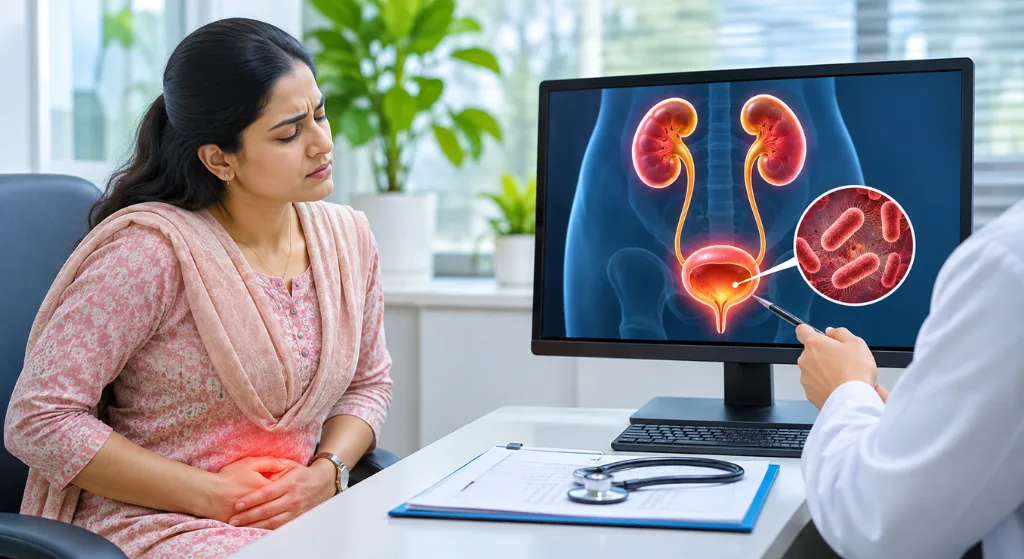
The evaluation may focus on identifying:
- Persistent infection or repeated reinfection
- Antibiotic-resistant bacteria
- Kidney or bladder stones
- Problems with bladder emptying
- Prostate-related urinary obstruction
- Catheter-related infection risk
- Menopause-associated changes
- Other urinary tract abnormalities
Can Recurrent UTIs Be Prevented?
Prevention strategies depend on the individual and may include adequate hydration, attention to bladder habits and addressing underlying urinary conditions.
For selected patients with recurrent bladder infections, a clinician may discuss other preventive approaches, such as vaginal oestrogen after menopause when suitable, methenamine hippurate or antibiotic prophylaxis under appropriate supervision.
These options are not suitable for everyone. The decision should consider medical history, recurrence patterns, benefits, risks and current evidence.
UTI Treatment for Men
Although urinary tract infections occur more frequently in women, men can also develop bladder infections and other urinary infections.
In men, a urologist may assess whether symptoms are associated with:
- Prostate enlargement
- Incomplete bladder emptying
- Prostate infection
- Urinary stones
- Urethral narrowing
- Other urinary tract conditions
Symptoms such as fever, pelvic or perineal pain, difficulty passing urine or recurrent infections may require additional assessment.
Urine culture is commonly recommended when a UTI is suspected in men.
The treatment plan depends on the clinical diagnosis and whether the prostate or other structures are involved.
UTI Treatment for Women
Women may develop urinary tract infections at different stages of life, including during reproductive years, pregnancy and after menopause.
Common symptoms include burning urination, frequent urination, urgency and lower abdominal discomfort.
A medical assessment may also consider other causes of similar symptoms, such as vaginal infections, irritation or sexually transmitted infections.
UTI during pregnancy:
A suspected urinary infection during pregnancy should be assessed promptly because treatment decisions and antibiotic selection require additional precautions. Even bacteria detected in urine without symptoms may require treatment during pregnancy.
UTI after menopause:
Hormonal changes can contribute to recurrent bladder infections. Depending on the patient's medical history, preventive treatment options may be discussed.
When Should You See a Urologist for UTI Symptoms?
A urology consultation may be helpful when:
- Urinary symptoms continue despite initial treatment
- UTIs repeatedly return
- Blood is visible in the urine
- A urinary infection is associated with kidney stones
- There is difficulty emptying the bladder
- A man develops symptoms of a UTI
- Previous urine cultures have shown resistant bacteria
- An underlying urinary tract condition is suspected
People with diabetes, kidney disease, urinary catheters or conditions affecting the immune system may also require closer clinical assessment.
When Is Urgent Medical Attention Needed?
Seek urgent medical care if you experience:
- Fever with shaking chills or pain in the back or side
- Persistent vomiting or inability to keep fluids down
- Severe weakness, confusion or fainting
- Inability to pass urine
- Severe urinary pain with fever
- Symptoms suggesting serious illness, particularly in older or medically vulnerable patients
A urinary tract infection accompanied by an obstructed kidney, severe systemic illness or suspected sepsis requires emergency assessment.
Do not delay emergency care while waiting for a routine clinic appointment.
How Can You Reduce the Risk of Urinary Tract Infections?
Although not every UTI can be prevented, some everyday measures may help reduce risk.

Maintain Adequate Hydration
Drink sufficient fluids for your individual health needs. Patients with heart disease, advanced kidney disease or fluid restrictions should follow their doctor's advice.
Avoid Unnecessarily Holding Urine
Try to maintain regular bladder habits, particularly if you experience urinary retention or difficulty emptying the bladder.
Review Recurrent Symptoms
If infections repeatedly return, seek an assessment rather than repeatedly self-medicating with antibiotics.
Manage Related Medical Conditions
Appropriate management of diabetes, urinary obstruction, prostate problems and urinary stones may help address factors associated with infection.
Follow Personalised Preventive Advice
Individuals with recurrent UTIs may benefit from a prevention plan based on their medical history and confirmed infection patterns.
Cranberry preparations and other supplements should not be considered substitutes for treating an active infection. Evidence for preventive benefit varies by product and patient group.
About Dr. Shyam Mohan – Urologist in Mumbai
Dr. Shyam Mohan is a Consultant Urologist, Uro-Oncologist and Robotic Surgeon practising in Mumbai.
Qualifications:
- MBBS
- MS (General Surgery)
- MCh (Urology)
- Fellowship in Advanced Robotic Uro-Oncology
His areas of clinical practice include general urology, endourology, laparoscopic urological procedures, uro-oncology and robotic surgery.
For patients with urinary tract infections, Dr. Mohan provides urological consultation focused on evaluating urinary symptoms, reviewing appropriate investigations, identifying relevant underlying conditions and discussing suitable treatment options.
Consultations are available at his Chembur clinic for patients seeking evaluation of urinary tract infections and recurrent urinary symptoms.
UTI Consultation in Chembur, Mumbai
Patients experiencing burning urination, frequent urinary infections, bladder discomfort or other persistent urinary symptoms can consult Dr. Shyam Mohan at his clinic in Chembur.

Clinic Details
Dr. Shyam Mohan
Consultant Urologist, Uro-Oncologist & Robotic Surgeon
Clinic: Synergy Health Clinic
Address: 501, 5th Floor, Building 2, Business Point, Opposite Saibaba Mandir, Chembur, Mumbai, Maharashtra – 400077.
Appointment Contact: +91 9892533940
Patients can bring previous urine test results, urine culture reports, imaging findings and medication details, if available, to support the consultation.
Frequently Asked Questions About UTI Treatment in Mumbai
Medical information notice: This page is intended for general patient education and does not replace individual medical consultation, diagnosis or treatment. Treatment recommendations vary according to clinical findings. Patients with severe symptoms should seek urgent medical care.