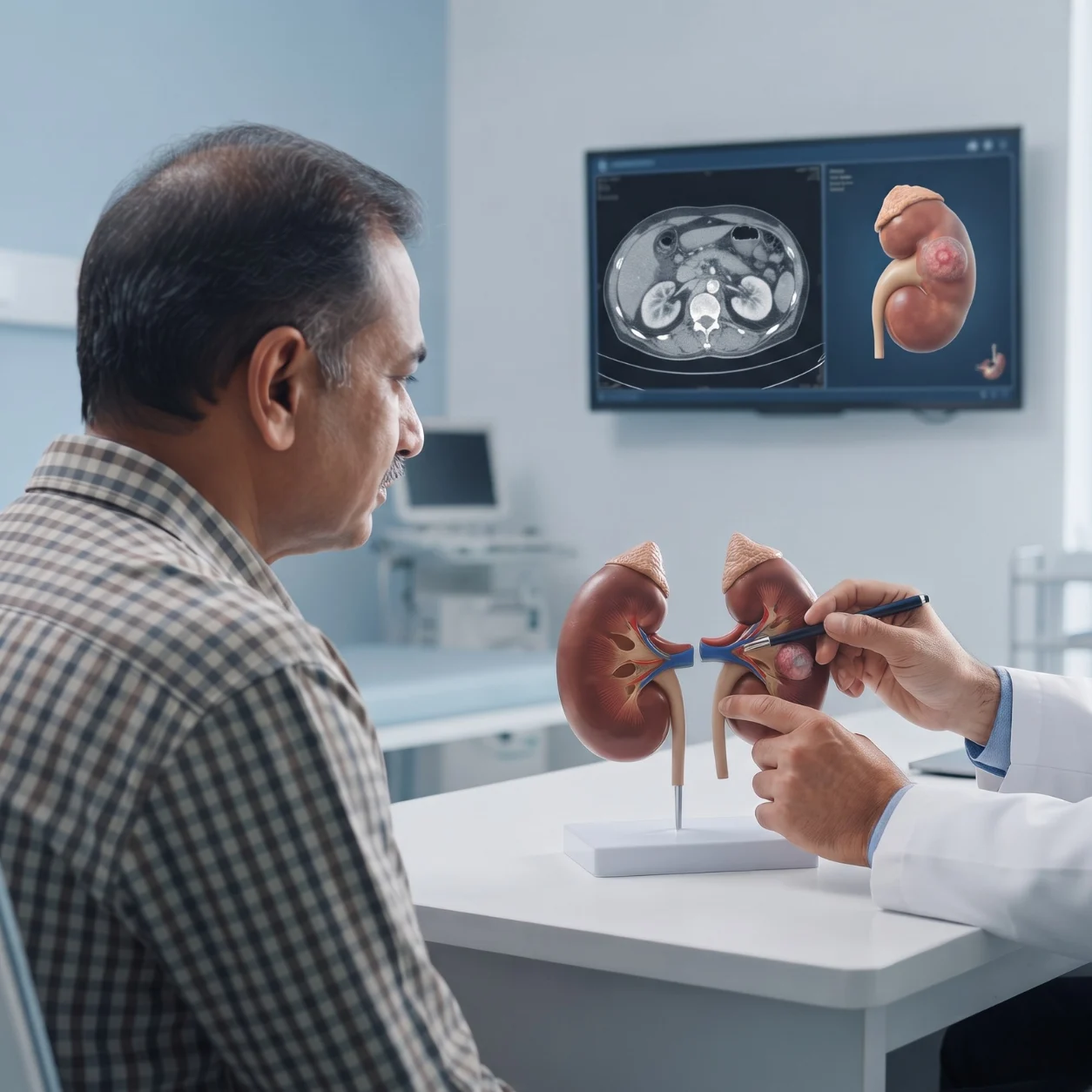
A diagnosis of cancer affecting the kidney, bladder, prostate or another part of the urinary system can bring many questions. Which specialist should you consult? Will surgery be necessary? Are robotic surgery, chemotherapy or other treatments suitable? Understanding the role of a Urological Cancer Specialist can help patients make informed decisions about their care.
Urological cancers differ in how they develop, spread and respond to treatment. Some may be managed with monitoring or surgery, while others require medicines, radiation or a combination of treatments.
Choosing the right specialist involves more than looking at a doctor's qualifications. It also means understanding their area of practice, experience with your specific cancer, diagnostic approach and access to multidisciplinary care.
Who Is a Urological Cancer Specialist?
A Urological Cancer Specialist, also called a uro-oncologist, is a doctor who focuses on diagnosing and managing cancers affecting the urinary tract and male reproductive organs.
A surgical uro-oncologist is generally a urologist with additional training or focused experience in the surgical management of these cancers.
Our dedicated Uro-Oncology Procedures cover a wide spectrum of conditions, commonly including:
Different cancers require different investigations, treatment approaches and follow-up schedules.

- Prostate cancer: Cancer developing in the prostate gland. Read about our specialised Prostate Cancer Treatment.
- Kidney cancer: Malignant tumours arising in the kidney, including renal cell carcinoma. Learn about Kidney Cancer Treatment.
- Bladder cancer: Cancer affecting the urinary bladder, most commonly urothelial carcinoma. Discover Bladder Cancer Treatment.
- Testicular cancer: Cancer developing in one or both testicles.
- Penile cancer: A relatively uncommon cancer affecting penile tissue.
- Ureteral and renal pelvic cancer: Cancers developing in the lining of the upper urinary tract.
- Urethral cancer: A rare cancer affecting the tube through which urine leaves the body.
Urologist vs Uro-Oncologist vs Medical Oncologist: What Is the Difference?
Patients often find these medical specialties confusing because more than one doctor may be involved in their cancer treatment.
| Specialist | Main Role in Patient Care |
|---|---|
| Urologist | Diagnoses and treats general urinary tract conditions (such as kidney stones, infections, and BPH), including some early urological cancers. |
| Uro-Oncologist | Focuses specifically on urological cancers, including complex diagnostic staging, surgical evaluation, and operative management (open, laparoscopic, or robotic). |
| Medical Oncologist | Manages systemic cancer treatments such as chemotherapy, immunotherapy, hormonal therapy, and targeted drug therapies. |
| Radiation Oncologist | Plans and delivers radiation-based cancer treatment, such as external beam radiotherapy or brachytherapy. |
For example, a patient with localised kidney cancer may need evaluation for partial nephrectomy (kidney-preserving surgery) under a uro-oncologist. A patient with advanced kidney cancer may require immunotherapy or targeted medication under medical oncology care.
Similarly, bladder cancer treatment may involve endoscopic surgery (TURBT), intravesical therapy, systemic chemotherapy, or radiation depending on the disease stage.
The appropriate specialist depends on the cancer and the treatment required. In many cases, different specialists work closely together as a team.
Why Does Choosing the Right Uro-Oncologist Matter?
Urological cancer treatment is rarely based on one investigation or symptom. The treating specialist must consider the cancer's location, stage, grade, biological behaviour, and the patient's overall health and functional priorities.
For example:
- Some low-risk prostate cancers can be safely managed with active surveillance rather than immediate surgery or radiation.
- Certain kidney tumours can be removed with nephron-sparing techniques (partial nephrectomy) while preserving healthy kidney tissue.
- Many early bladder cancers can be treated effectively without removing the entire bladder.
- Testicular cancer may require surgery followed by active surveillance or additional chemotherapy depending on the final pathology.
An appropriate, unbiased assessment helps patients understand all clinically suitable options, including their benefits, potential risks, and long-term functional effects.
7 Important Factors to Consider When Choosing a Urological Cancer Specialist
Selecting the right specialist is one of the most critical decisions following a urological cancer diagnosis. The ideal uro-oncologist should combine rigorous surgical training, dedicated experience with your specific cancer type, and access to modern diagnostic and operative modalities.
Below are seven essential factors patients and their families should consider when choosing a specialist for their evaluation, surgery, and long-term care:

Check the Doctor's Qualifications and Medical Registration
Begin by reviewing the doctor's recognised medical qualifications and registration details. A surgical uro-oncologist generally has specialist qualifications in urology, such as MCh or DrNB in Urology, along with relevant clinical training or fellowship experience in uro-oncology. Patients can also ask about additional fellowship training and the specific cancers the doctor commonly evaluates or treats.
Look for Experience With Your Specific Type of Cancer
Urological cancers are not all treated in the same way. A doctor who manages prostate cancer will discuss active surveillance, radical prostatectomy, or radiation therapy. Kidney cancer management may involve partial nephrectomy, radical nephrectomy, or surveillance of selected small masses. Ask whether the specialist regularly manages your particular condition.
Understand the Diagnostic Approach
Accurate diagnosis and precise staging are essential before selecting treatment. Depending on the suspected cancer, investigations may include:
- Ultrasound, multiphase contrast CT, or MRI scans
- PSA testing and mpMRI for selected prostate concerns
- Diagnostic cystoscopy for bladder evaluation
- Prostate or kidney tumour biopsy when clinically indicated
- PSMA PET-CT for selected prostate cancer staging
Not every patient requires all these tests. A specialist should explain why an investigation is necessary, what it reveals, and how it impacts decision-making.
Ask About All Suitable Treatment Options
A balanced discussion should include relevant alternatives, not solely one surgical procedure. For instance, selected patients with localised prostate cancer may be candidates for active surveillance, surgery, or radiation therapy. Patients should understand why a particular approach is recommended and what alternatives exist.
Understand the Role of Robotic and Minimally Invasive Surgery
Robotic-assisted and laparoscopic procedures are used in selected urological cancer operations, such as robotic radical prostatectomy, robotic partial nephrectomy, and robotic radical cystectomy. During robotic surgery, the surgeon controls every movement of the instruments; the system does not act autonomously. Potential advantages can include smaller incisions, reduced blood loss, or shorter hospitalisation. However, robotic surgery is not suitable for every clinical situation and choice depends on anatomical considerations.
Ask Whether Multidisciplinary Cancer Care Is Available
Some urological cancers require joint input from several specialists. A multidisciplinary tumor board (MDT) may include a uro-oncologist, medical oncologist, radiation oncologist, radiologist, and pathologist. Team discussions are especially valuable when multiple treatment strategies are possible or when the cancer is locally advanced.
Discuss Risks, Recovery and Follow-Up
Cancer care does not end when an operation is completed. Ongoing follow-up involves periodic imaging, blood tests, monitoring for recurrence, and assessing urinary continence and sexual health. Clear communication helps patients prepare for both treatment and long-term recovery.
Questions to Ask During Your First Uro-Oncology Consultation
Patients and their families may find it helpful to bring a list of questions to their appointment:
1. Cancer Type & Stage
What type and stage of urological cancer do I have?
2. Diagnostic Clarity
Are further scans, MRI, or a biopsy necessary before deciding?
3. Organ Confinement
Is the cancer confined to the organ or has it spread to lymph nodes or other areas?
4. Treatment Alternatives
What treatment options are suitable for my specific stage and general health?
5. Surgery vs Non-Surgical
Is surgery mandatory, or is active surveillance or radiation an option?
6. Multidisciplinary Review
Would a tumor board or multidisciplinary team review be helpful?
7. Risks & Complications
What are the potential risks, side effects, and complications of the recommended treatment?
8. Functional Impact
How will this treatment affect my urinary continence, kidney function, or sexual health?
9. Follow-Up Protocol
What surveillance schedule or follow-up tests will I need post-treatment?
10. Second Opinion
Should I seek a second opinion before committing to major surgery?
When Should You Consult a Uro-Oncology Specialist?
A consultation is appropriate when a patient has a confirmed cancer diagnosis, suspicious scan findings, or clinical signs requiring expert oncological evaluation, such as:
- Blood in urine (hematuria) without an identified cause
- A suspicious kidney mass or complex cyst detected on ultrasound or CT
- Elevated PSA with concerning clinical or multiparametric MRI findings
- A bladder mass identified during ultrasonography or cystoscopy
- A persistent, painless testicular lump
- A non-healing penile sore or lesion
- An abnormal biopsy or histopathology report
Urgent Medical Attention Warning
While suspicious findings should be evaluated promptly, sudden inability to pass urine, heavy bleeding with clots, or severe new back pain accompanied by progressive leg weakness requires immediate emergency hospital assessment.
What Should You Bring to a Urological Cancer Consultation?
Bringing previous medical records helps the specialist understand the clinical timeline and avoid unnecessary repetition of investigations. Useful documents include:
- Previous ultrasound, CT, MRI, or PET-CT scan reports along with digital image discs (DICOM files)
- Blood and urine investigation reports (including serial PSA values if applicable)
- Biopsy slides and detailed histopathology reports
- Discharge summaries from any previous surgeries or hospital admissions
- Records of any chemotherapy, hormonal treatment, or radiation therapy received
- Complete list of current prescription medicines

About Dr. Shyam Mohan
Consultant Urologist, Uro-Oncologist & Robotic Surgeon
Dr. Shyam Mohan holds recognised medical qualifications including MBBS, MS (General Surgery), and MCh (Urology), along with a prestigious Fellowship in Advanced Robotic Uro-Oncology.
His clinical practice focuses on uro-oncology, complex kidney tumour surgery, prostate cancer management, bladder cancer care, and minimally invasive robotic procedures in Chembur, Mumbai.
Conclusion
Choosing a Urological Cancer Specialist involves understanding the doctor's qualifications, experience with your specific diagnosis, approach to investigations, and ability to coordinate multidisciplinary cancer care.
The right treatment is not always the newest procedure or the most complex surgery. It is the approach that best fits the cancer's stage, biological behaviour, patient overall health, and informed preferences.